 ×
×

Ask any transporter who has scrambled for a driver two days before a consignment was due to leave, and they will tell you the same thing: you call someone you know, who calls someone else, and somewhere down the chain a broker gets involved. That is how trucking has worked for decades, and it worked well enough. Brokers knew who was available, who was reliable, and which routes a driver had experience on. Transporters who needed drivers fast had limited options. Brokers filled the gap.
For drivers, the dependence ran in the same direction. A driver sitting idle in Ludhiana after dropping a load had no formal way to find the next trip back to Gujarat. Word spread through dhabas, through contacts at truck stands, through a call to a familiar agent. The system was informal, it was personal, and it got the job done. The industry grew around it.
That is changing now. Smartphone penetration among truck drivers has grown sharply over the last few years, and with it, comfort with apps, digital profiles, and online job listings. Transporters who once relied entirely on phone calls and agents are posting hiring requirements on digital platforms and getting responses the same day. Drivers are building profiles that list their experience, vehicle categories, and verified documents. The hiring conversation is starting to happen before anyone picks up the phone.
The trucking workforce in India is spread across thousands of towns, small cities, and highway corridors. A transporter in Pune looking for a heavy vehicle driver with experience on the Pune-Kolkata route had no database to search, no common platform where drivers listed their availability, no reliable way to check credentials beyond a phone call to someone who knew someone.
Drivers faced the same problem from the other side. Jobs were not posted anywhere. Payment terms, route details, and load conditions were communicated informally and often changed by the time the driver arrived. Without a centralized hiring channel, both sides relied on whoever was most connected. That person was usually an agent or broker who maintained relationships on both ends and charged for the introduction.
Word-of-mouth recruitment made sense when there was no alternative. Brokers served a real coordination function. The system worked with the tools available to it, and in many corridors and regions it continues to work that way.
The practical problems with a fully broker-dependent model show up quickly once you are running a fleet of any size. A transporter running fifteen trucks across interstate routes cannot always afford to wait three or four days for a broker to find a replacement driver when someone goes on leave unexpectedly. The freight does not wait. India's trucking sector is already dealing with a driver demand that outpaces supply in several categories, and fleet owners in faster-growing corridors feel that gap most sharply during the busy months.
Driver qualifications have always been difficult to verify through informal channels. A broker might vouch for a driver based on one previous trip, but the transporter has no way to know the driver's full history, whether their licence is current, or whether they have handled similar cargo before. When something goes wrong on the road, there is no record to refer back to.
Payment terms and job conditions create another problem. A driver told through a broker that a trip pays a certain amount sometimes arrives to find the terms have shifted, or that there was a deduction structure not mentioned upfront. This erodes trust on both sides. The driver feels misled. The transporter deals with a dissatisfied worker. Neither can point to a documented agreement.
Brokers also cost money. That cost is sometimes visible and sometimes buried in rates. For a small fleet owner running on thin margins, even a modest per-hire fee adds up. Hiring records are rarely kept in any systematic way. You cannot plan driver capacity for the next quarter when you have no data on where your hires came from, how long they stayed, or why they left.
Finding a driver used to take days. A transporter with an urgent requirement would call an agent, the agent would work his contacts, and somewhere in that chain a match would eventually surface, sometimes too late. Hiring apps have compressed that timeline. Post a requirement in the morning, hear from drivers by afternoon.
The difference in speed and reach is considerable. A transporter in Ahmedabad looking for an experienced tanker driver can post that requirement and have responses from drivers across Gujarat, Rajasthan, and Maharashtra without making a single call. A driver finishing a delivery in Nagpur can browse open requirements in cities along his return route before he even starts the trip back. Both of those things were nearly impossible to do through informal networks.
Driver profiles on these platforms carry information that actually matters for the hiring decision: experience type, vehicle categories, routes covered, verification status, and contact details. That replaces the guesswork involved in taking a broker's word for it. The transporter can review what is on record before deciding whether to speak to a driver. The back-and-forth happens directly over mobile, which most drivers already carry and use.
Fleet managers running multiple vehicles get something else from these platforms: a searchable hire history. Over time, they can see which drivers they have worked with, how those trips went, and who to call again when the right route comes up. Building that kind of record was almost impossible when hiring happened through informal referrals.
The trust question is real. Handing over a vehicle worth crores to a driver you have never met is not something transporters take lightly, and brokers earned their role partly by providing that personal assurance. They knew the driver. They vouched.
Digital platforms address this differently. Profile verification, licence checks, and background screening create a record that any transporter can see before making a hiring decision. A driver who has completed multiple verified trips through a platform has a track record that is visible from the start.
Transporters who want to speak to a driver before confirming a hire do that. The profile and verification record come first, and that conversation tends to be shorter because the basic questions are already answered. Drivers with doubts about payment terms or route conditions can ask directly through the platform before committing. Digital records give both sides better information before those conversations happen.
Drivers gain something from clearer job postings as well. When a transporter lists requirements upfront, a driver knows whether the trip fits before applying, which saves time on both ends and reduces the chances of a hire falling through at the last minute.
On the driver side, the reach expands considerably. Someone based in Kanpur can see requirements across UP and neighbouring states, filter by vehicle type and route, and apply to the ones that fit his schedule. During peak season, when demand spikes on certain corridors, a driver with access to a wider set of postings has a better chance of staying utilised.
The driver shortage is a known pressure point, particularly for specialised vehicle categories. Finding a driver with refrigerated transport experience, or someone who has handled heavy earthmoving equipment, used to mean working through two or three agents in the hope that someone in the chain knew the right person. Digital platforms extend that search to drivers across multiple states, and the results come back in hours.
Idle time is a cost that shows up on both sides. A driver sitting without a trip for four days loses income he counted on. A truck sitting in the yard runs up fixed costs with nothing coming in. Faster matching cuts that idle period down, and the savings compound across a full year of operations.
Fleet owners who use platforms consistently over time also end up with a hire history they can refer back to: which driver categories are hardest to fill, how long hires typically last, which routes see the most turnover. That kind of record is useful when planning fleet capacity for the next quarter.
TruckMitr is one platform that has been built around this shift. India's first driver-centric digital trucking ecosystem, it connects drivers, transporters, fleet owners, logistics companies, and service providers on a single platform. Drivers can create professional profiles, go through a verification process, and access job opportunities from transporters across the country. Transporters can post hiring requirements, browse driver profiles, and make contact directly, without routing the conversation through an agent.
TMConnect supports this by helping verify job information and facilitating better matching between drivers and transporters. The focus is on cutting the time between a driver who is available and a transporter who needs one, so both sides get to a decision faster with better information on hand.
Freight volumes have been growing steadily, and hiring has not kept pace. When a fleet expands from ten trucks to twenty, the old method of calling around for drivers starts to show its limits. Response times slow, options narrow, and the transporter ends up taking whoever is available rather than whoever is right for the route.
Many transporters now use digital platforms alongside their existing contacts, particularly for harder-to-fill categories and on routes where their local networks run thin. Drivers who build verified profiles and stay active on these platforms are picking up work more consistently, and fleet owners who keep digital hiring records are spending less time on each hire.
Seasonal spikes hit harder when you have no driver pipeline. Interstate expansion gets complicated when your hiring reach stops at the next district. Digital platforms are addressing those gaps at a practical level, route by route, hire by hire, and more transporters and drivers are relying on them with each passing season.

Elevating The Indian Trucking Ecosystem
Read More
How To Collaborate With Us And A List Of All Services We Cater To
Read More
Driving India Forward How Truck Drivers Power the Economy
Read More
From Rugged Beginnings to Digital Frontiers The Tata Motors Legacy in Indian Trucking
Read More
On-the-Go Repairs and Mobile Truck Maintenance Services in India
Read More
Safer Roads Ahead The Transformation of India’s Trucking Industry
Read More
The Future of Truck Driving A Road to Opportunity
Read More
How Electric Trucks Can Power Up Your Business A Look at the Benefits
Read More
Top 10 Health Tips for Long-Haul Truck Drivers
Read More
Tata Motors Gears Up for Digital Transformation with Fleet Verse
Read More
Tata Motors Reports Strong Sales Performance in May 2024
Read More
The Importance of Mental Health for Truck Drivers A Critical Look
Read More
The Rising Role of Women in Truck Driving in India
Read More
Emergency Preparedness for Truck Drivers
Read More
Adapting to Changing Weather Patterns: Challenges for Indian Trucking
Read More
Revolutionizing Trucking with Blockchain
Read More
Truck Customisation Trends: Merging Functionality with Personal Style
Read More
Celebrating Festivals on the Road: How Truckers Stay Connected to Home
Read More
Rural Empowerment Through Better Trucking Networks
Read More
Health on the Go: Wellness Solutions for Long-Haul Drivers
Read More
How Trucking Keeps India’s Small Businesses Moving Forward
Read More
The Influence of Bollywood on Indian Trucking Culture
Read More
Youth and Trucking: Inspiring the Next Generation of Drivers
Read More
Innovative Truck Financing Options: Making Ownership Accessible
Read More
The Role of AI in Streamlining Fleet Management
Read More
Trucking Beyond Cargo: Supporting Disaster Relief and Humanitarian Efforts
Read More
Life on the Highways: Stories of Resilience from Indian Truck Drivers
Read More
10 Summer Maintenance Tips to Keep Your Truck Running Smoothly
Read More
The Importance of Regular Tyre Checks for Safety and Fuel Efficiency
Read More
Common Truck Breakdowns and How to Prevent Them
Read More
Understanding Truck Warning Lights: What They Mean
Read More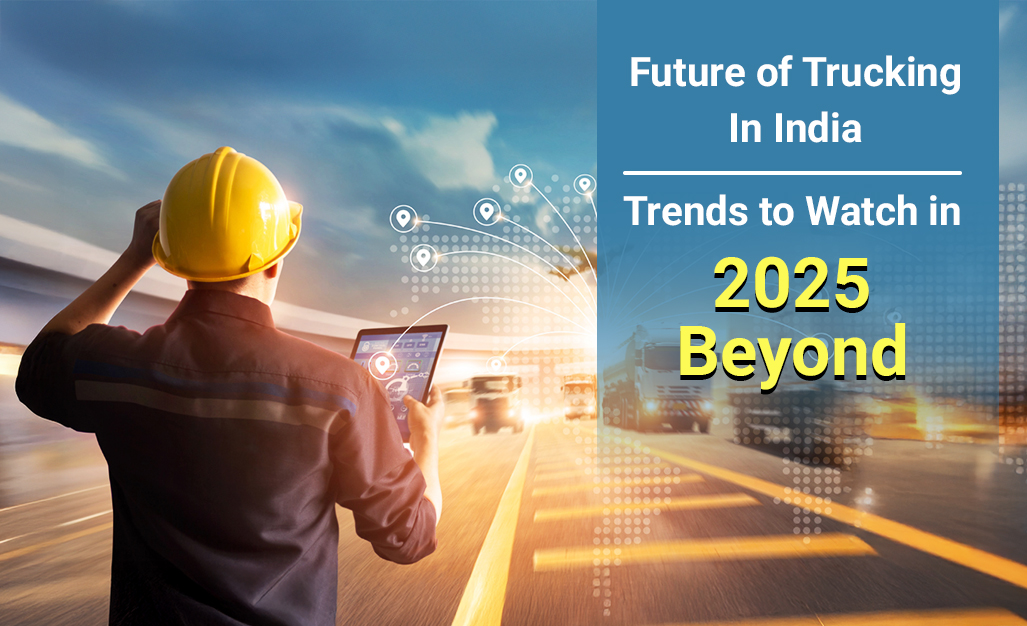
Future of Trucking in India: Trends to Watch in 2025 & Beyond
Read More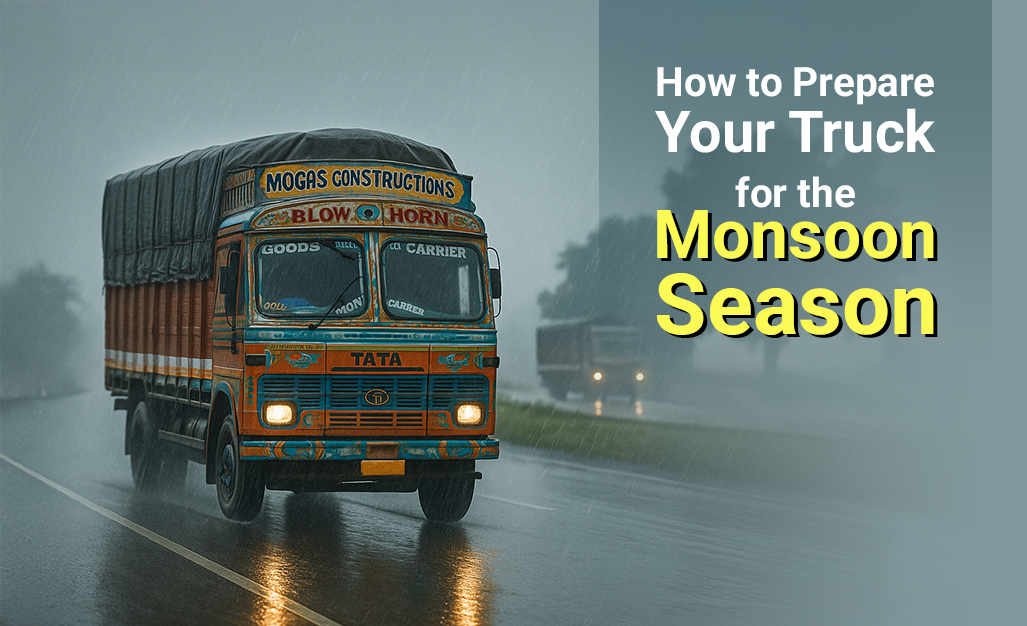
How to Prepare Your Truck for the Monsoon Season?
Read More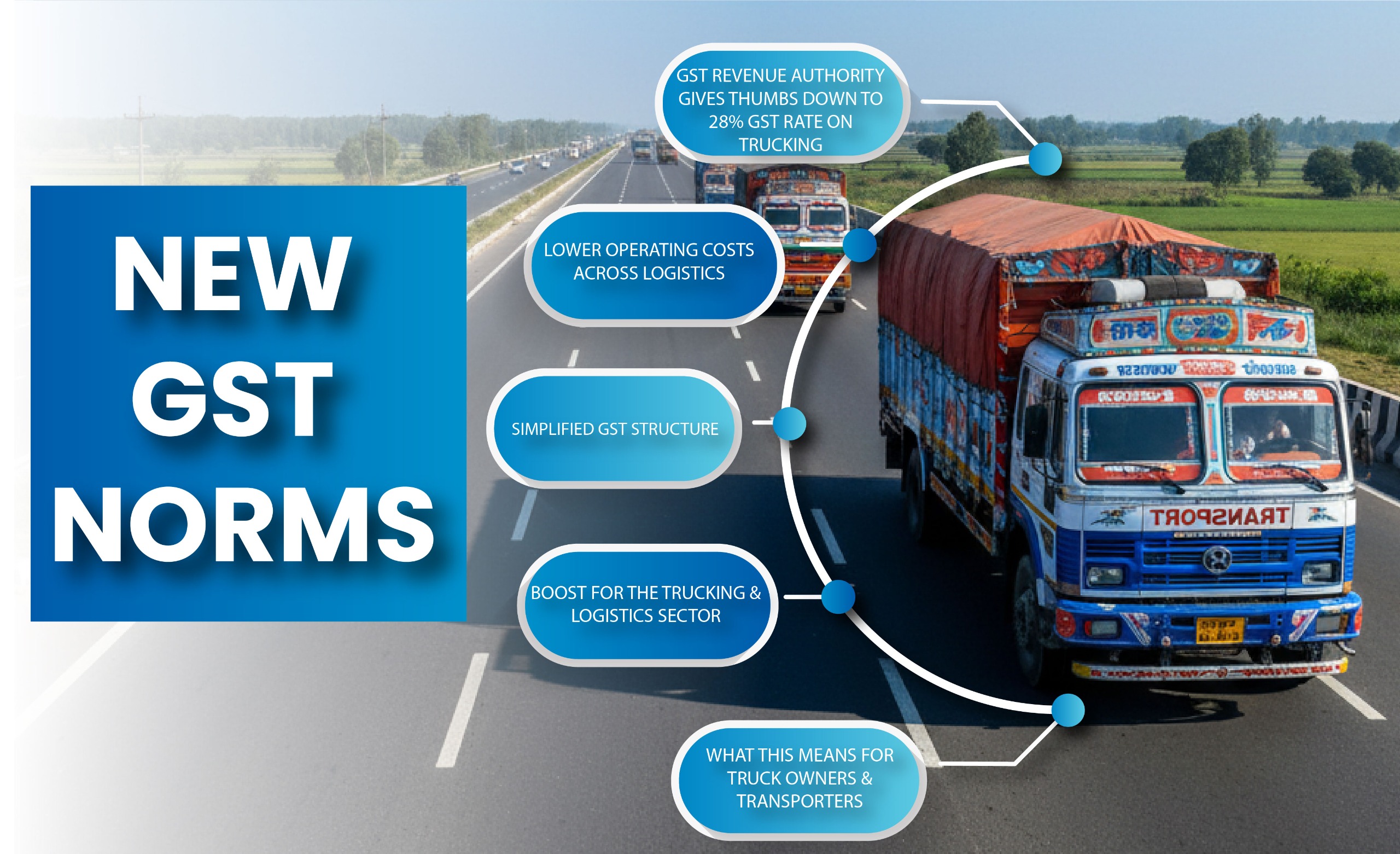
GST Reforms 2025
Read More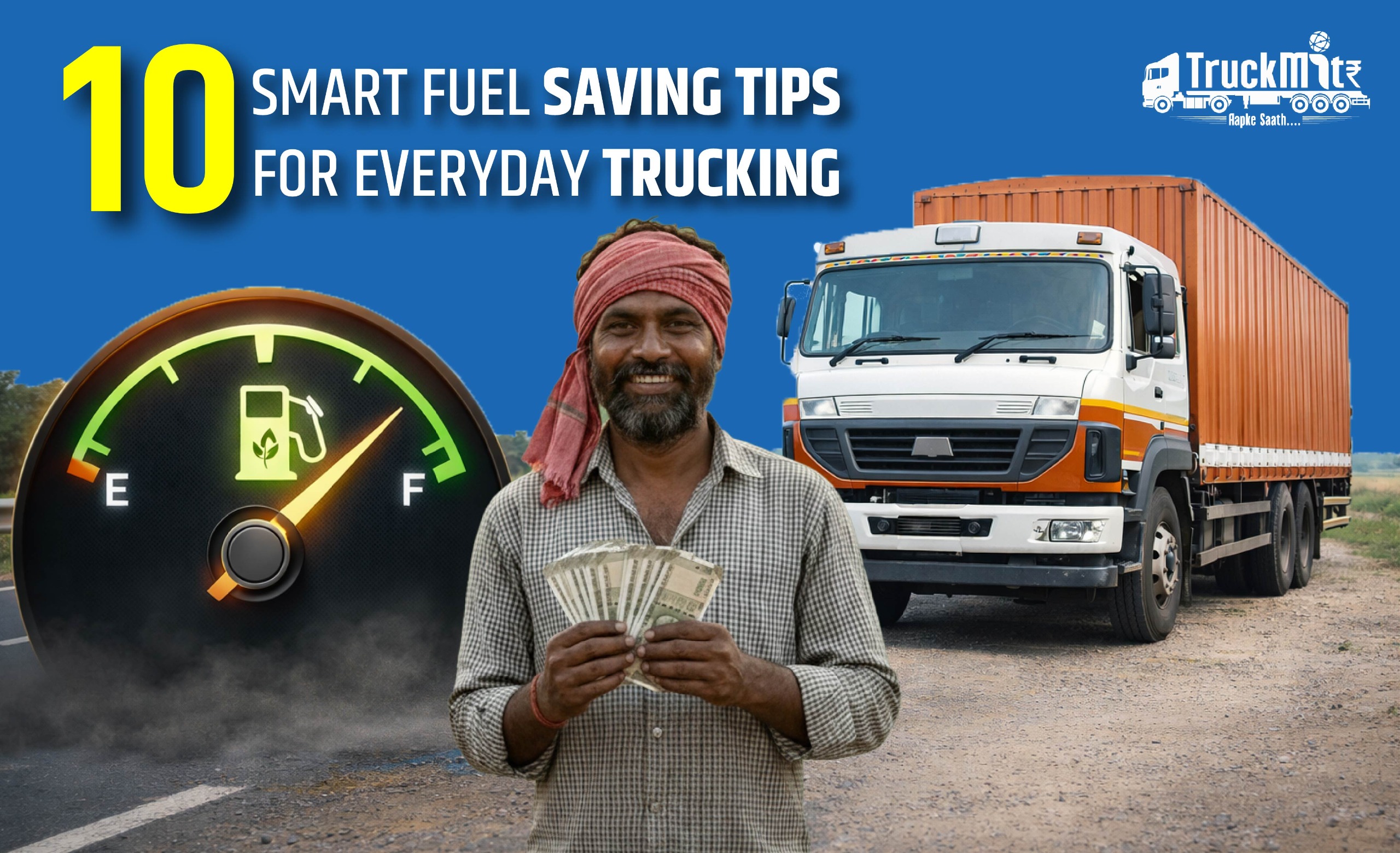
10 Smart Fuel-Saving Tips for Everyday Trucking
Read More
Why Preventive Maintenance Saves Money
Read More
Driving Tips for Highway Safety
Read More
Common Truck Maintenance Mistakes
Read More
Importance Of Good Sleep
Read More
LNG Trucks and LNG Stations in India
Read More
Driving a Greener Future
Read More
Future Projections of Driving Training Schools in India’s Growing Trucking Industry
Read More
Impact of AI on the Trucking Industry
Read More
India’s Growing Truck Driver Shortage
Read More
Practical Tips to Maintain Comfort Inside the Truck Cabin
Read More
Managing Stress During Traffic and Route Delays
Read More
Typical End-of-Day Practices After Completing a Driving Shift
Read More
Common Causes of Tiredness During Long Driving Hours
Read More
A New Chapter in India’s Transport and Logistics Story
Read More
Impact of AI on Career Growth of Truck Drivers
Read More
Early Signs of Fatigue Drivers Commonly Experience on the Road
Read More
Common Learnings for First-Time Truck Owners
Read More
Why Verified Truck Driver Hiring is Important for Fleet Owners
Read More
The Future of Digital Trucking Ecosystems in India
Read More
Essential Skills Every Modern Truck Driver Should Learn
Read More
Top Reasons Transporters Should Digitize Driver Recruitment
Read More
How Digital Platforms are Reducing Dependence on Trucking Brokers
Read More
How to Hire Reliable Truck Drivers for Your Fleet
Read More
Why India Needs a Unified Trucking Ecosystem Platform
Read More
How to Build Trust Between Transporters and Truck Drivers
Read More
How Driver Lifecycle Management Reduces Operational Burden for Fleet Companies
Read More
Why Corporate Fleets Need Managed Driver Staffing Solutions
Read More