 ×
×

It is six in the morning at a distribution hub outside Pune. Twelve trucks are loaded, manifests are ready, routes are assigned. By six-thirty, the fleet supervisor realises four drivers have not shown up. One called in sick. One is not answering his phone. Two did not come without any notice.
A broker promises to arrange someone by nine. A driver referred by a colleague arrives at ten but has never done the Nashik route before.
By noon, two trucks are still sitting in the yard. The freight is ready. The customers are waiting. The operations team has spent half its day chasing drivers instead of moving cargo.
This is not an unusual day. For large corporate fleets running FMCG distribution, industrial supply chains, or manufacturing logistics, some version of this morning happens regularly. The trucks are ready, the cargo is ready, the customer is waiting. The driver is not there.
Driver absenteeism in Indian trucking is not occasional. It is part of the business.
Drivers take unplanned leave around harvesting seasons, festivals, and family events. Some disappear mid-month after receiving part of their salary. Others leave quietly for a fleet offering fifty rupees more per day or a route closer to home. There is rarely any formal notice.
Each absence means scrambling. The replacement found through a broker may not know the depot, the unloading timings, or the toll points on the route. If the cargo is perishable or the delivery window is tight, two hours of delay causes a real problem.
At peak periods, the problem compounds. During Diwali restocking or the summer FMCG surge, every fleet is chasing drivers at once. Rates go up, and reliable drivers get poached.
Experienced drivers know their worth. A driver with ten years on the road and a clean record can move between fleets without difficulty. He knows which transporters pay on time, which routes involve less waiting at loading points, and which companies treat drivers well. Fleets compete for these drivers constantly, often losing them to a slightly better offer.
Younger workers are showing less interest in long-distance trucking. Weeks away from home, weigh bridge queues, and delayed payments are not attractive when other work is available.
The pool of reliable, experienced drivers is limited. Multiple fleets are drawing from it simultaneously.
At the same time, freight volumes continue to grow. More warehouses, more distribution centres, and tighter delivery expectations all increase the demand for qualified drivers. The result is a market where fleets are often competing for the same people. Finding a driver is one thing. Finding a reliable driver who can be trusted with a vehicle, cargo, and customer commitments is something else entirely.
A transporter running eight to ten trucks manages driver problems through personal relationships. He knows his drivers individually, and his network is manageable.
That model breaks down at fifty trucks. At a hundred, it is unworkable.
A large fleet operating across multiple states deals with drivers from different regions, route types, and employment arrangements. The fleet manager in Gurugram cannot personally know every driver based out of Nagpur or Coimbatore. He relies on depot supervisors and middlemen, each with their own gaps.
Documentation becomes serious at scale. A hundred drivers means a hundred licences, medical fitness certificates, and police verification papers with different expiry dates. An expired licence gets missed, a driver is dispatched, and he is stopped at a checkpost.
At some point, managing drivers stops being recruitment and becomes something else entirely.
Large fleets now handle background verification, document tracking, licence renewals, route suitability assessments, replacement planning, and workforce continuity alongside core logistics work. Keeping compliance current across multiple states, ensuring a qualified replacement is available when someone leaves, these happen every week. Most fleet teams were not built for this.
Phone calls and referrals fill individual vacancies. They do not produce a reliable pipeline. When a position opens, the search starts from zero.
An idle truck is not a minor inconvenience. It is a vehicle paid for, insured, and maintained, sitting in a yard while freight waits.
When shortages become frequent, effects stack up quickly. Dispatches get missed, customers start calling, delivery slots are lost. The dispatch team shifts to crisis management. Other drivers, stretched across additional routes, accumulate fatigue and compliance risk. For a fleet running on tight margins, vehicles sitting idle regularly is a measurable revenue loss.
The shift toward managed driver staffing is a practical response to this reality.
Rather than searching from scratch each time a vacancy arises, fleet operators are looking for arrangements where verified drivers are available within a shorter window, background checks done, documents confirmed, route experience known.
The outcomes: fewer idle trucks, faster replacements, better placement quality, and less time on unplanned recruitment. Compliance improves when documentation is tracked as part of the process rather than handled in a panic.
TruckMitr is building a driver-centric ecosystem that connects truck drivers, transporters, fleet owners, logistics companies, and service providers through a single platform. Transporters can access verified driver profiles, post requirements, and simplify hiring workflows without depending entirely on informal networks.
TruckMitr's TMConnect team works on onboarding, screening, verification, and driver-transporter matching. For corporate fleets trying to build more reliable driver pipelines, this kind of structured support addresses the gaps that phone-based hiring and broker networks typically leave open.
Many large fleets still treat driver hiring as a reactive activity. A driver leaves, a vacancy opens, someone starts making calls. That approach worked when fleets were smaller. It becomes harder to sustain as operations grow and the competition for experienced drivers tightens.
Drivers are not an on-demand resource. They are a workforce that needs to be sourced, verified, matched to the right routes, and managed on an ongoing basis. Fleets that do this keep more trucks moving.
Managed driver staffing is ultimately about operational continuity. Every truck that leaves the yard on time depends on having the right driver behind the wheel. As fleets grow, ensuring that driver is available becomes just as important as maintaining the vehicle, planning the route, or securing the load.

Elevating The Indian Trucking Ecosystem
Read More
How To Collaborate With Us And A List Of All Services We Cater To
Read More
Driving India Forward How Truck Drivers Power the Economy
Read More
From Rugged Beginnings to Digital Frontiers The Tata Motors Legacy in Indian Trucking
Read More
On-the-Go Repairs and Mobile Truck Maintenance Services in India
Read More
Safer Roads Ahead The Transformation of India’s Trucking Industry
Read More
The Future of Truck Driving A Road to Opportunity
Read More
How Electric Trucks Can Power Up Your Business A Look at the Benefits
Read More
Top 10 Health Tips for Long-Haul Truck Drivers
Read More
Tata Motors Gears Up for Digital Transformation with Fleet Verse
Read More
Tata Motors Reports Strong Sales Performance in May 2024
Read More
The Importance of Mental Health for Truck Drivers A Critical Look
Read More
The Rising Role of Women in Truck Driving in India
Read More
Emergency Preparedness for Truck Drivers
Read More
Adapting to Changing Weather Patterns: Challenges for Indian Trucking
Read More
Revolutionizing Trucking with Blockchain
Read More
Truck Customisation Trends: Merging Functionality with Personal Style
Read More
Celebrating Festivals on the Road: How Truckers Stay Connected to Home
Read More
Rural Empowerment Through Better Trucking Networks
Read More
Health on the Go: Wellness Solutions for Long-Haul Drivers
Read More
How Trucking Keeps India’s Small Businesses Moving Forward
Read More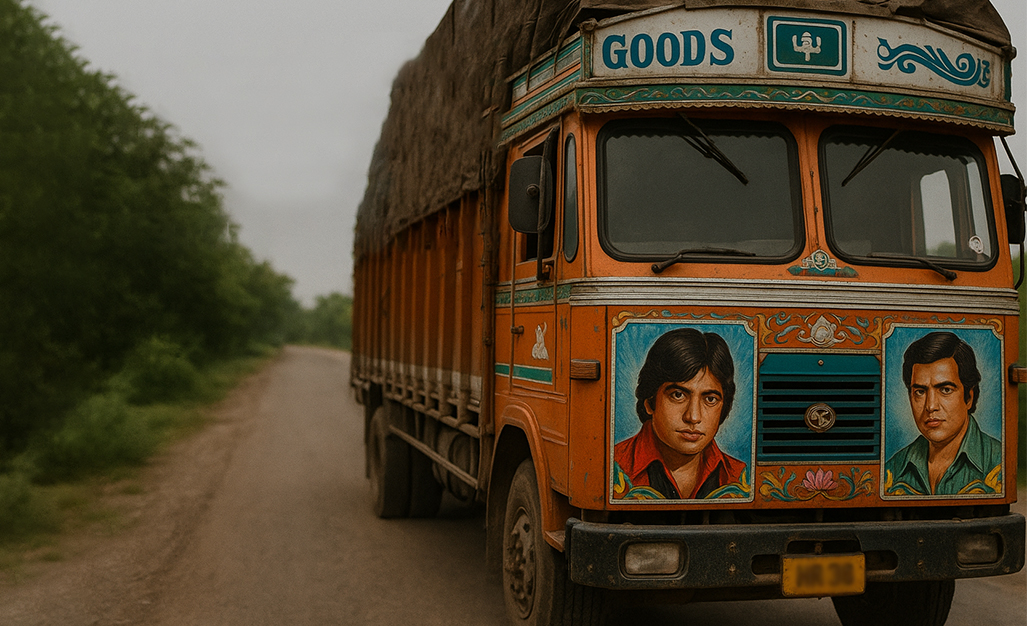
The Influence of Bollywood on Indian Trucking Culture
Read More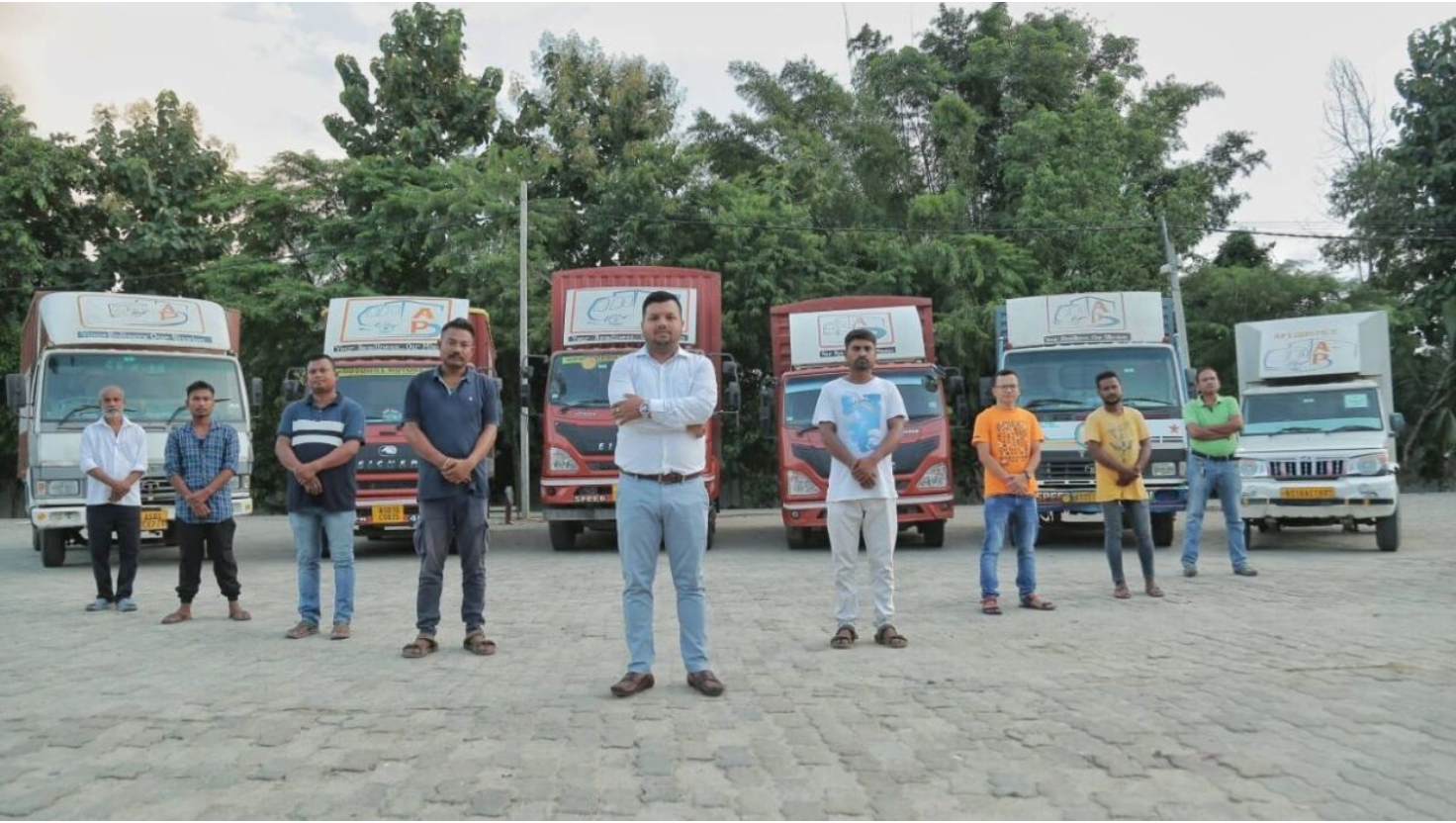
Youth and Trucking: Inspiring the Next Generation of Drivers
Read More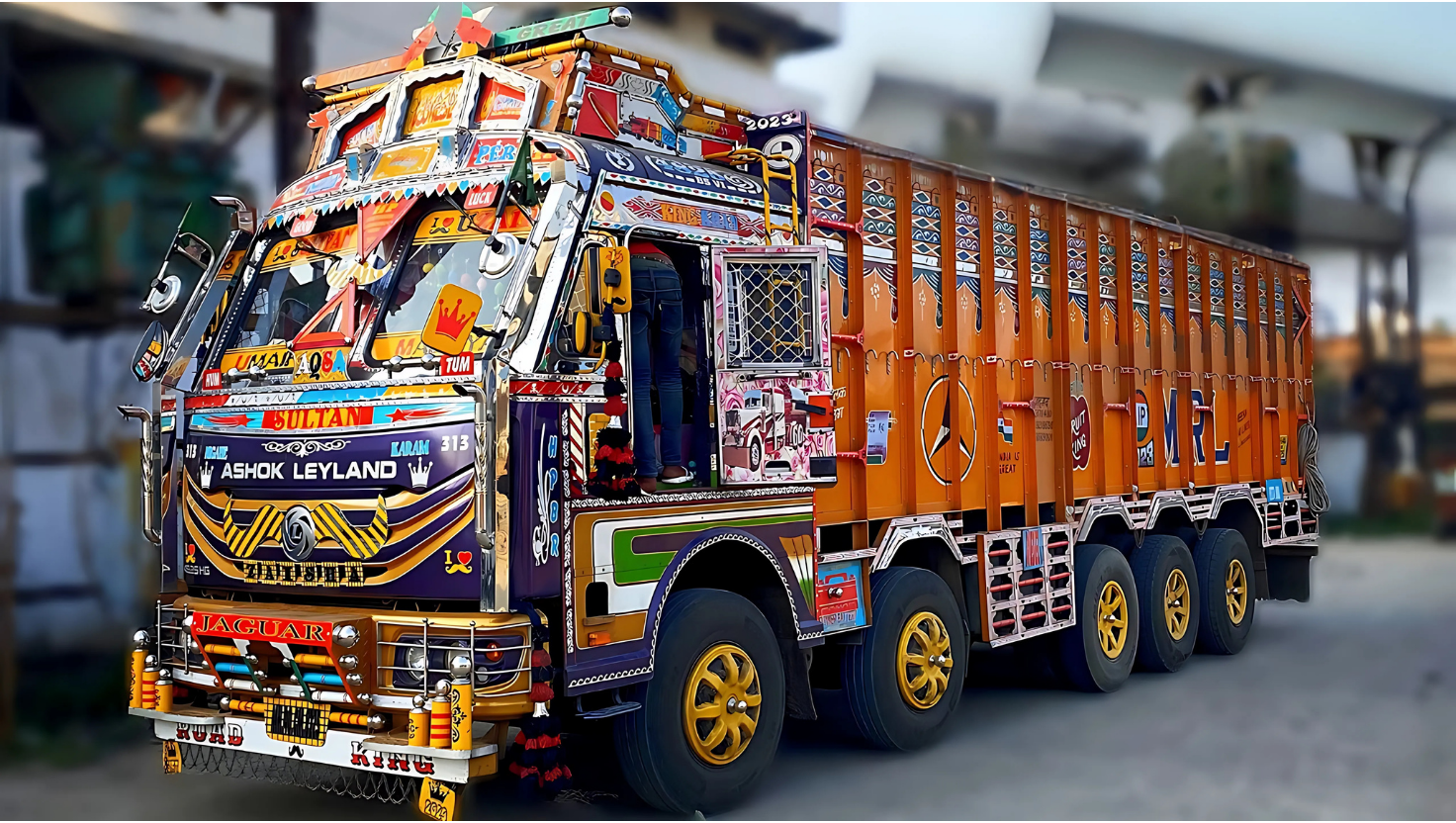
Innovative Truck Financing Options: Making Ownership Accessible
Read More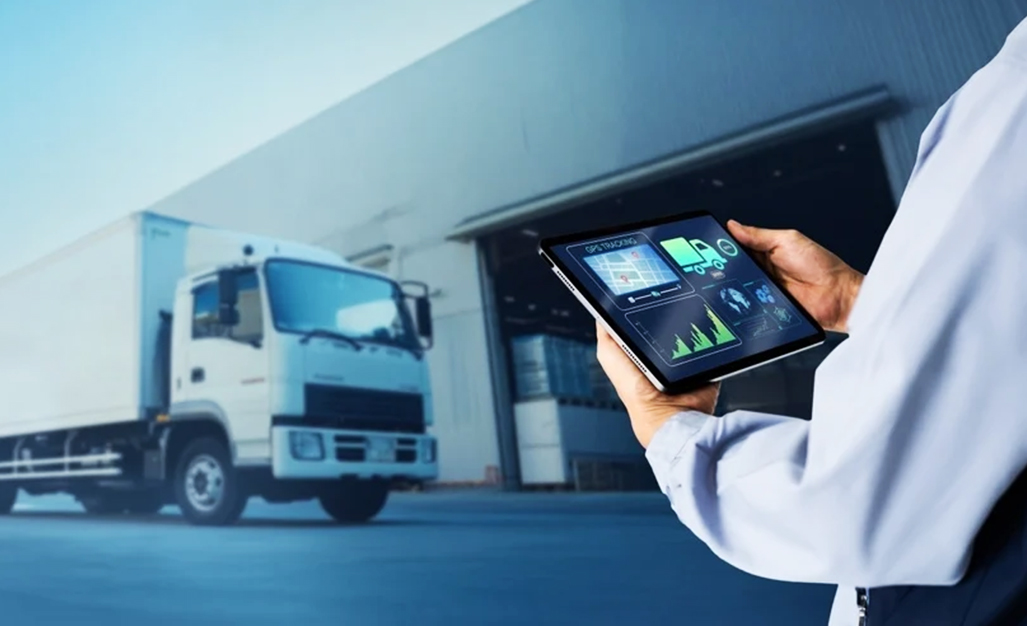
The Role of AI in Streamlining Fleet Management
Read More
Trucking Beyond Cargo: Supporting Disaster Relief and Humanitarian Efforts
Read More
Life on the Highways: Stories of Resilience from Indian Truck Drivers
Read More
10 Summer Maintenance Tips to Keep Your Truck Running Smoothly
Read More
The Importance of Regular Tyre Checks for Safety and Fuel Efficiency
Read More
Common Truck Breakdowns and How to Prevent Them
Read More
Understanding Truck Warning Lights: What They Mean
Read More
Future of Trucking in India: Trends to Watch in 2025 & Beyond
Read More
How to Prepare Your Truck for the Monsoon Season?
Read More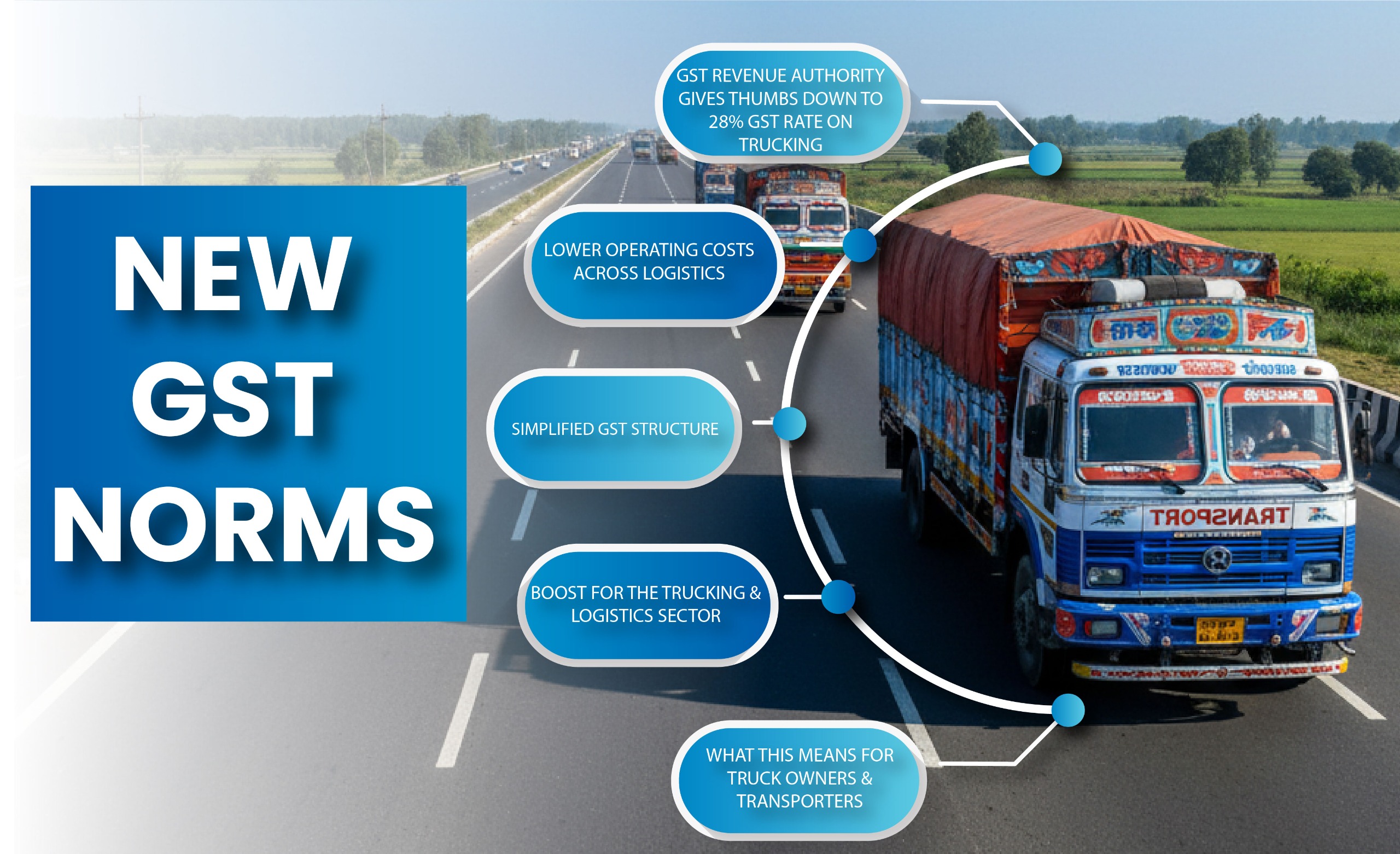
GST Reforms 2025
Read More
10 Smart Fuel-Saving Tips for Everyday Trucking
Read More
Why Preventive Maintenance Saves Money
Read More
Driving Tips for Highway Safety
Read More
Common Truck Maintenance Mistakes
Read More
Importance Of Good Sleep
Read More
LNG Trucks and LNG Stations in India
Read More
Driving a Greener Future
Read More
Future Projections of Driving Training Schools in India’s Growing Trucking Industry
Read More
Impact of AI on the Trucking Industry
Read More
India’s Growing Truck Driver Shortage
Read More
Practical Tips to Maintain Comfort Inside the Truck Cabin
Read More
Managing Stress During Traffic and Route Delays
Read More
Typical End-of-Day Practices After Completing a Driving Shift
Read More
Common Causes of Tiredness During Long Driving Hours
Read More
A New Chapter in India’s Transport and Logistics Story
Read More
Impact of AI on Career Growth of Truck Drivers
Read More
Early Signs of Fatigue Drivers Commonly Experience on the Road
Read More
Common Learnings for First-Time Truck Owners
Read More
Why Verified Truck Driver Hiring is Important for Fleet Owners
Read More
The Future of Digital Trucking Ecosystems in India
Read More
Essential Skills Every Modern Truck Driver Should Learn
Read More
Top Reasons Transporters Should Digitize Driver Recruitment
Read More
How Digital Platforms are Reducing Dependence on Trucking Brokers
Read More
How to Hire Reliable Truck Drivers for Your Fleet
Read More
Why India Needs a Unified Trucking Ecosystem Platform
Read More
How to Build Trust Between Transporters and Truck Drivers
Read More
How Driver Lifecycle Management Reduces Operational Burden for Fleet Companies
Read More
Why Corporate Fleets Need Managed Driver Staffing Solutions
Read More