 ×
×

Most transporter-driver relationships in India begin the same way. A transporter needs a driver, asks a contact, gets a name, makes a call, and the job starts. Sometimes it is a broker in the middle. Sometimes it is a recommendation from another fleet owner, or a driver who worked for a cousin's business two years ago. These channels have kept Indian trucking moving for decades, and they still do.
Those channels can work well. The challenge is that important details often remain unspoken until after the job has already started.
By the time a driver climbs into the cab for the first trip, both sides often know very little about each other beyond a name and a phone number. Payment terms, route expectations, working conditions, the employer's track record, the driver's actual experience: most of it remains undiscussed.
This matters in trucking more than in most industries. A driver and transporter spend much of their working relationship hundreds of kilometres apart, relying on each other without being able to check in face to face. That kind of arrangement only works if there is real trust on both sides. The question is how that trust actually gets built, and how long it holds.
Rajan runs a mid-sized transport business out of Nagpur. Last year, he hired a driver through a contact in his network. No written agreement, no verification, just a phone call and a handshake. The driver showed up, the truck moved, and things seemed fine for a few weeks. Then came a dispute over a trip payment. The driver said one rate was agreed on; Rajan's records showed another. Neither side had anything in writing. The driver left.
The truck sat idle for ten days while Rajan called through every contact he had. That's ten days of lost freight revenue, a delayed consignment, and a client who started looking at other transporters. The financial loss was one thing. The damage to a client relationship he had taken years to build was harder to recover.
This story plays out across Indian trucking every day. The scale changes; the problem doesn't.
A driver spends days away from home, handling a vehicle worth lakhs of rupees, delivering goods on behalf of someone they may have met only once. By the time a truck is 400 kilometres from the transport office, the transporter cannot supervise what happens. The driver decides whether to report a mechanical problem early or push through. The driver decides how to handle a loading delay, a difficult toll plaza, or a consignor who is creating trouble at the destination. Those calls happen far from any office, and they depend entirely on the driver's judgment and the strength of the working relationship.
The transporter, on the other side, is handing over that vehicle and a client's cargo to a person they often know only through a reference. If communication breaks down mid-trip, the transporter is the one fielding calls from the customer. If the driver goes quiet, the transporter loses visibility over the delivery and the client loses confidence.
Transporters who build strong driver relationships see lower attrition, better vehicle maintenance, and fewer last-minute dropouts before trips. Drivers who work with trustworthy employers take better care of their routes and build a reputation that gets them more work.
The most common trigger is money. Payment terms that are never written down. Deductions the driver did not know about. Incentives promised during hiring and quietly dropped later.
Beyond pay, there is the problem of mismatched expectations. A driver takes a job expecting short-haul routes and ends up doing back-to-back outstation trips. A transporter hires someone for one kind of vehicle and tries to shift them to another. Both sides feel cheated without either saying so outright.
Sometimes there is no payment dispute at all, and trust still erodes. A driver from Pune takes a job after being told he will get home every weekend. Three weeks in, the routes are longer and the turnaround does not allow it. Nobody lied directly; the details just were not discussed clearly enough before the job started. The driver starts looking elsewhere, and the transporter cannot understand why someone he was paying fairly decided to leave.
Brokers and informal referrals add another layer of uncertainty. When a middleman makes promises on behalf of the transporter and those promises don't hold up, the driver has no one to go back to with a complaint. Because most hiring still happens through personal contacts, neither side has reliable information about the other before they start working together.
Most trust problems are built into the hiring conversation itself. A transporter who is vague about routes, unclear on salary structure, or evasive about working conditions is setting up a conflict before the first trip begins.
Before a driver gets behind the wheel, the transporter should lay out the job in clear terms: which routes, how payment is calculated, what deductions apply, what the driver is responsible for, and who to call when something goes wrong. If the job involves long-haul routes, say so. If there are incentives, explain how they work and when they are paid.
Drivers need to bring the same honesty to the table. Experience, valid licences, medical fitness, any gaps in work history: putting this information forward before hiring saves disputes later and builds credibility.
Trust is not built in the hiring conversation. It is built in the weeks and months after. Most drivers have heard good promises before. They judge an employer by what actually happens when salary day comes, when the truck breaks down 300 kilometres from the nearest workshop, or when a delivery runs late and the transporter needs to decide whether to stand by his driver or pass the blame down.
For transporters, the most reliable trust-building action is paying on time, every time. After that comes treating drivers with basic respect during difficult situations, such as a breakdown, a delayed delivery, or a route change. Drivers who feel their employer deals with them fairly in hard moments do not look for other options.
For drivers, it is about being reachable, being honest about problems on the road, and treating the vehicle as they would their own. A driver who calls in early about a mechanical issue is worth far more than one who manages it quietly and delivers the truck with hidden damage.
For most of Indian trucking, hiring still works like this: a transporter needs a driver, asks around his network, gets a name from someone who knows someone, makes a call, and hopes for the best. The driver, on the other side, hears about a job through a contact, takes the work without knowing much about the employer, and figures out the details once he's already on the road.
Both sides are making important decisions with very little information.
Digital platforms reduce this gap. When a transporter can review a driver's verified credentials, licence history, and past employment before making a call, the first conversation is already more grounded. When a driver can see the actual job details before accepting work, including routes, pay structure, and vehicle type, there is far less room for unpleasant surprises later. Both sides start with the same information, which cuts down on the kind of misunderstandings that usually surface only after the truck has left the yard.
This is where platforms designed specifically for the trucking industry can help. TruckMitr is a platform where drivers and transporters can find and evaluate each other before committing to work together. A transporter can check a driver's credentials and work history. Before the first trip, a driver already knows the route, the pay, and the vehicle. Background verification and structured job listings mean both sides have real information in front of them, not just a name passed through a contact. TMConnect helps match drivers to the right jobs by verifying details on both sides, so the first conversation starts with fewer assumptions and less room for disappointment later.
A signed agreement can record what was discussed. It cannot create the trust that makes two people work well together when something goes wrong at midnight on a national highway.
What does that is a pattern of small, consistent actions: paying on time, communicating clearly, dealing fairly with problems, and treating the other person as a professional. In trucking, where a driver and transporter may go days without direct contact, that trust is the invisible link holding the operation together. When it is there, the driver makes the right call on the road and picks up the phone when it matters. When it is not, the transporter is the last to know about a problem that has already become a crisis.
As Indian logistics continues to grow, the pressure on transport businesses to maintain reliable, stable driver workforces will only increase. Freight volumes are rising, customer expectations are tightening, and a transporter who keeps losing drivers to avoidable disputes will find it harder to compete. The businesses that hold together over the long run are not just the ones with the most trucks. They tend to be the ones where drivers stay long enough to learn the routes, understand the clients, and take real ownership of what they are trusted to do. Trust takes time to earn and is hard to rebuild once broken. In a business where so much depends on people working reliably far from each other, trust often becomes the difference between an operation that survives and one that grows.

Elevating The Indian Trucking Ecosystem
Read More
How To Collaborate With Us And A List Of All Services We Cater To
Read More
Driving India Forward How Truck Drivers Power the Economy
Read More
From Rugged Beginnings to Digital Frontiers The Tata Motors Legacy in Indian Trucking
Read More
On-the-Go Repairs and Mobile Truck Maintenance Services in India
Read More
Safer Roads Ahead The Transformation of India’s Trucking Industry
Read More
The Future of Truck Driving A Road to Opportunity
Read More
How Electric Trucks Can Power Up Your Business A Look at the Benefits
Read More
Top 10 Health Tips for Long-Haul Truck Drivers
Read More
Tata Motors Gears Up for Digital Transformation with Fleet Verse
Read More
Tata Motors Reports Strong Sales Performance in May 2024
Read More
The Importance of Mental Health for Truck Drivers A Critical Look
Read More
The Rising Role of Women in Truck Driving in India
Read More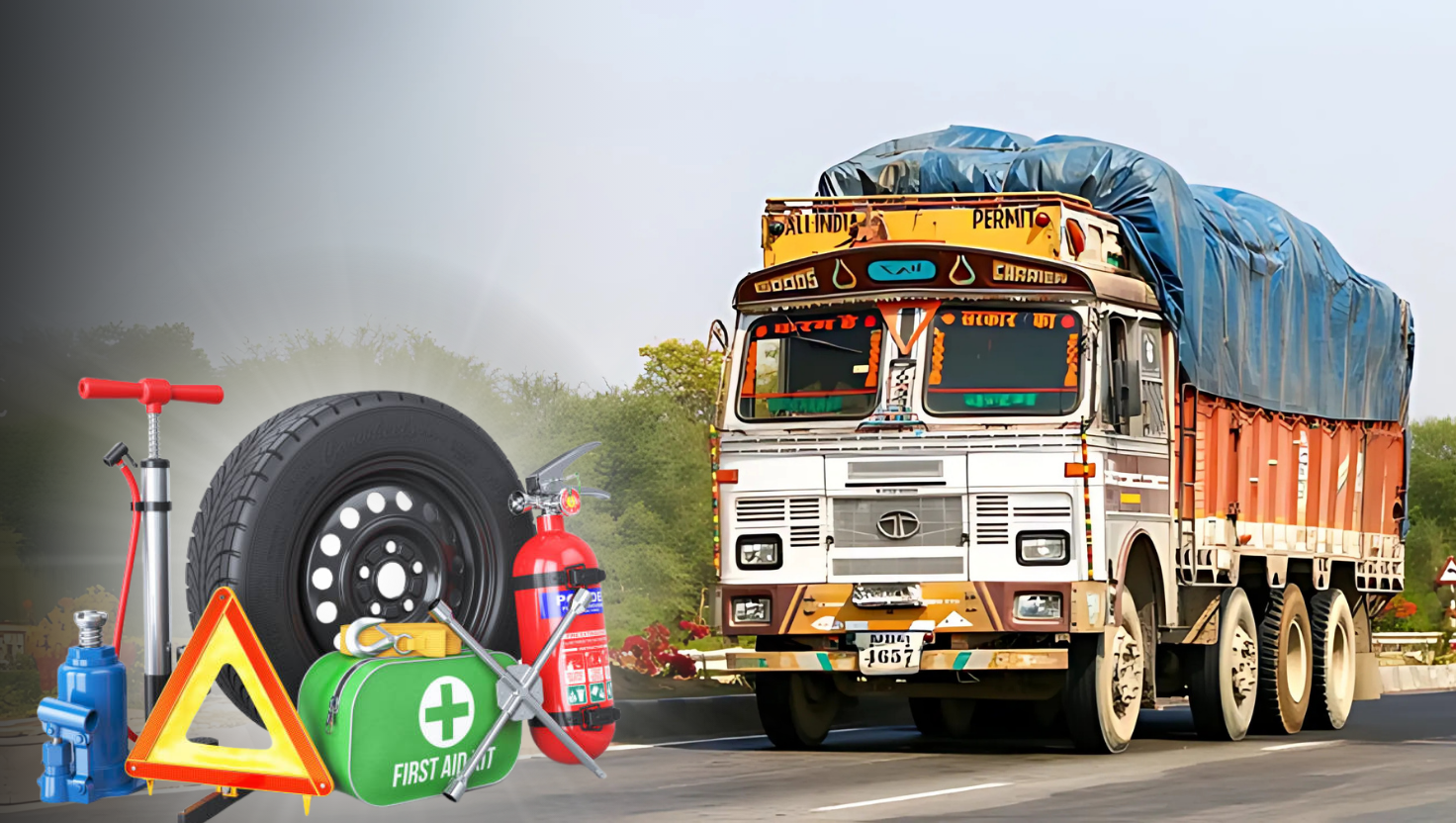
Emergency Preparedness for Truck Drivers
Read More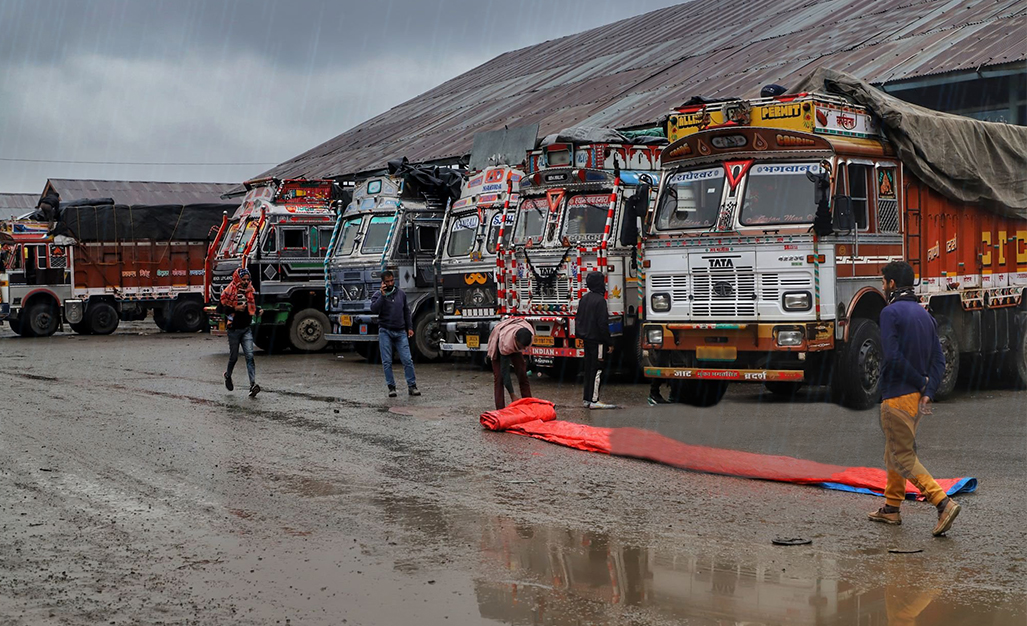
Adapting to Changing Weather Patterns: Challenges for Indian Trucking
Read More
Revolutionizing Trucking with Blockchain
Read More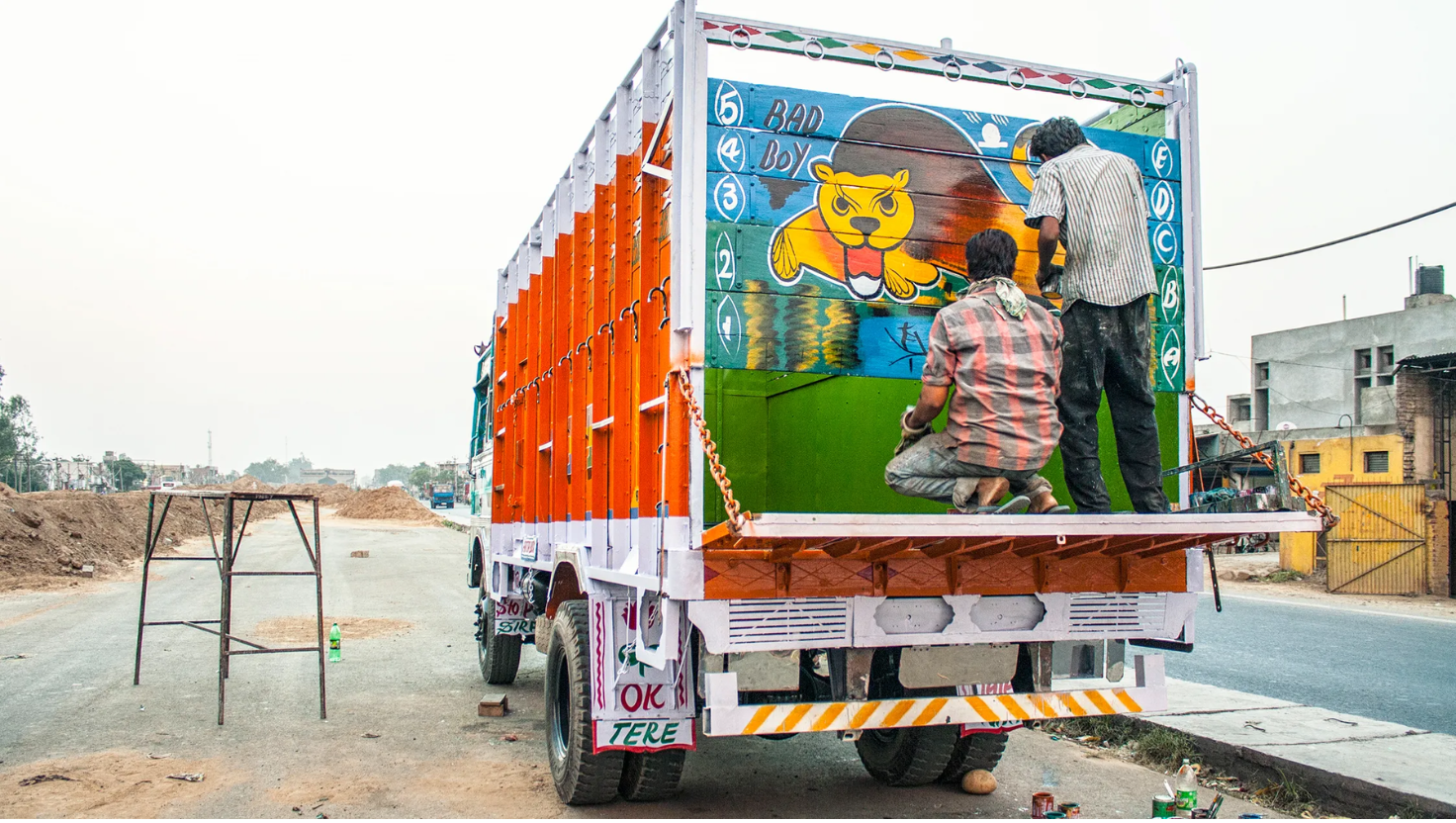
Truck Customisation Trends: Merging Functionality with Personal Style
Read More
Celebrating Festivals on the Road: How Truckers Stay Connected to Home
Read More
Rural Empowerment Through Better Trucking Networks
Read More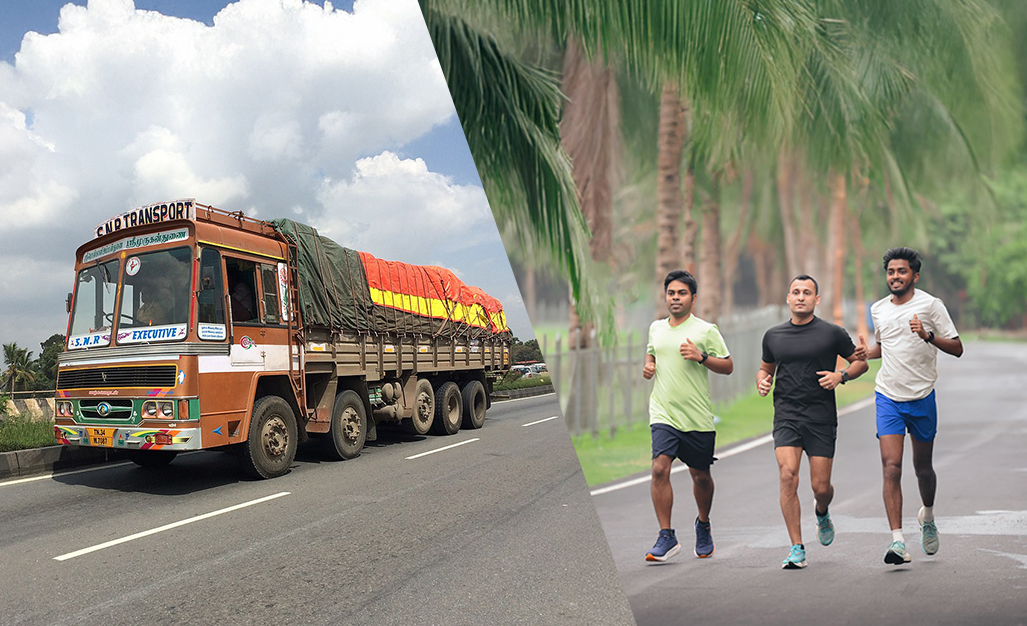
Health on the Go: Wellness Solutions for Long-Haul Drivers
Read More
How Trucking Keeps India’s Small Businesses Moving Forward
Read More
The Influence of Bollywood on Indian Trucking Culture
Read More
Youth and Trucking: Inspiring the Next Generation of Drivers
Read More
Innovative Truck Financing Options: Making Ownership Accessible
Read More
The Role of AI in Streamlining Fleet Management
Read More
Trucking Beyond Cargo: Supporting Disaster Relief and Humanitarian Efforts
Read More
Life on the Highways: Stories of Resilience from Indian Truck Drivers
Read More
10 Summer Maintenance Tips to Keep Your Truck Running Smoothly
Read More
The Importance of Regular Tyre Checks for Safety and Fuel Efficiency
Read More
Common Truck Breakdowns and How to Prevent Them
Read More
Understanding Truck Warning Lights: What They Mean
Read More
Future of Trucking in India: Trends to Watch in 2025 & Beyond
Read More
How to Prepare Your Truck for the Monsoon Season?
Read More
GST Reforms 2025
Read More
10 Smart Fuel-Saving Tips for Everyday Trucking
Read More
Why Preventive Maintenance Saves Money
Read More
Driving Tips for Highway Safety
Read More
Common Truck Maintenance Mistakes
Read More
Importance Of Good Sleep
Read More
LNG Trucks and LNG Stations in India
Read More
Driving a Greener Future
Read More
Future Projections of Driving Training Schools in India’s Growing Trucking Industry
Read More
Impact of AI on the Trucking Industry
Read More
India’s Growing Truck Driver Shortage
Read More
Practical Tips to Maintain Comfort Inside the Truck Cabin
Read More
Managing Stress During Traffic and Route Delays
Read More
Typical End-of-Day Practices After Completing a Driving Shift
Read More
Common Causes of Tiredness During Long Driving Hours
Read More
A New Chapter in India’s Transport and Logistics Story
Read More
Impact of AI on Career Growth of Truck Drivers
Read More
Early Signs of Fatigue Drivers Commonly Experience on the Road
Read More
Common Learnings for First-Time Truck Owners
Read More
Why Verified Truck Driver Hiring is Important for Fleet Owners
Read More
The Future of Digital Trucking Ecosystems in India
Read More
Essential Skills Every Modern Truck Driver Should Learn
Read More
Top Reasons Transporters Should Digitize Driver Recruitment
Read More
How Digital Platforms are Reducing Dependence on Trucking Brokers
Read More
How to Hire Reliable Truck Drivers for Your Fleet
Read More
Why India Needs a Unified Trucking Ecosystem Platform
Read More
How to Build Trust Between Transporters and Truck Drivers
Read More
How Driver Lifecycle Management Reduces Operational Burden for Fleet Companies
Read More
Why Corporate Fleets Need Managed Driver Staffing Solutions
Read More